
Sliding gate operators
Confirm project requirements, site interfaces and responsibility before procurement or rough-in.
Selection Guide
Select the operator around geometry, weight, usage and access—not a model number alone.
Selection principle
A larger motor does not correct poor gate geometry or an incomplete safety strategy.
Final selection depends on confirmed requirements, site conditions and compatibility.
Planning checklist
Use these topics to structure pricing and design information.
Confirm project requirements, site interfaces and responsibility before procurement or rough-in.
Confirm project requirements, site interfaces and responsibility before procurement or rough-in.
Confirm project requirements, site interfaces and responsibility before procurement or rough-in.
Confirm project requirements, site interfaces and responsibility before procurement or rough-in.
Confirm project requirements, site interfaces and responsibility before procurement or rough-in.
Confirm project requirements, site interfaces and responsibility before procurement or rough-in.
Confirm project requirements, site interfaces and responsibility before procurement or rough-in.
Confirm project requirements, site interfaces and responsibility before procurement or rough-in.
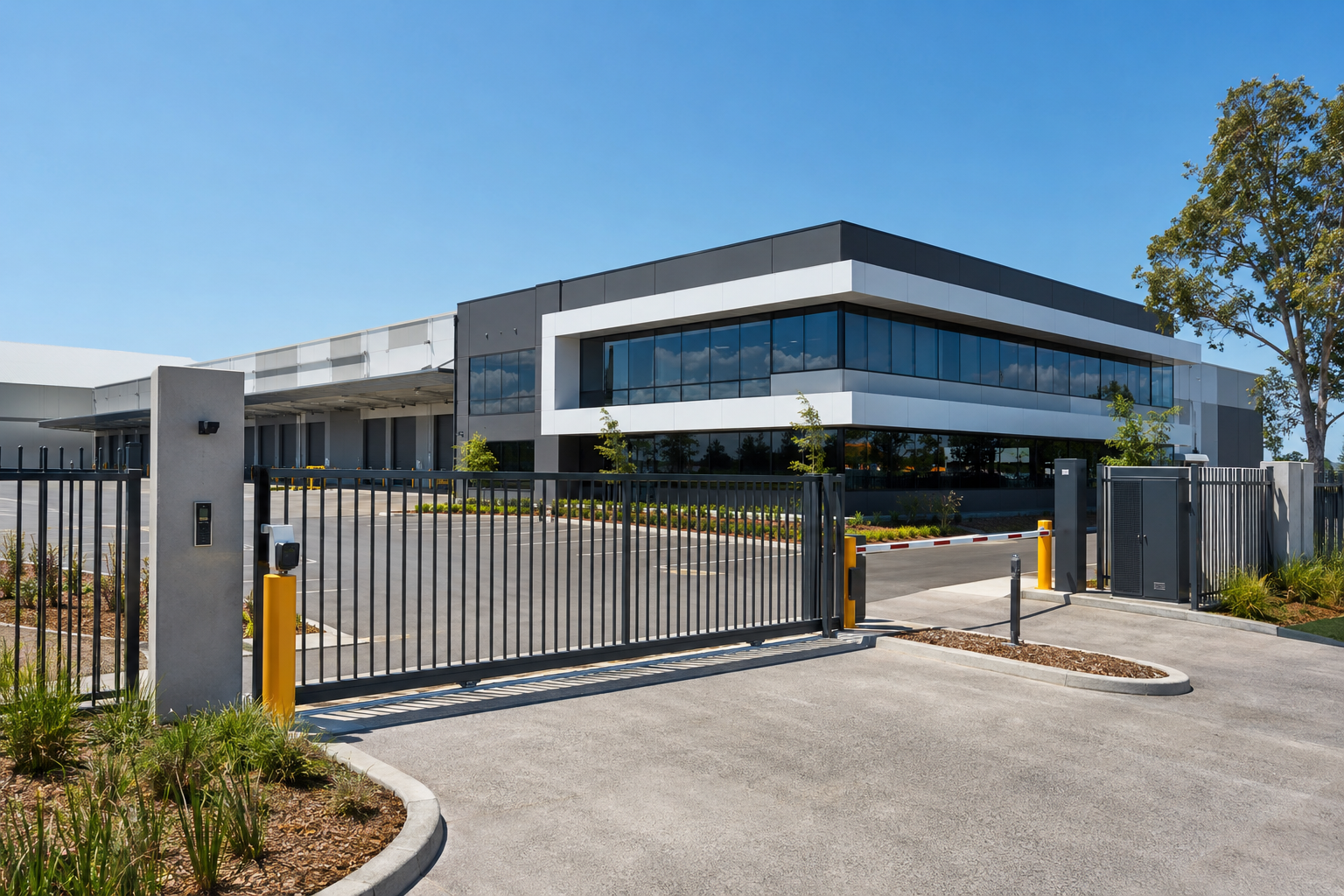
Access & safety integration
Detection, activation, locking, intercom, credentials, power and emergency operation must align with the movement strategy.
Discuss operator selectionStart a project
Share your drawings, opening requirements, architectural intent or current project stage. Tonish can coordinate fabrication, finish, automation and access.